
bg section2

Washer Water Level Too Low

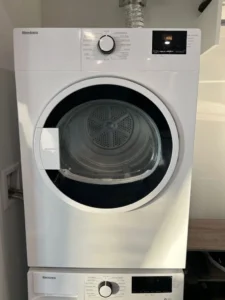
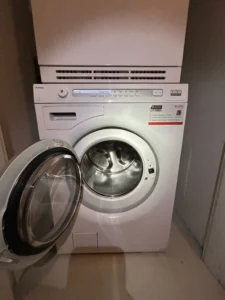
A washing machine that doesn’t fill with enough water can quietly ruin your laundry routine. Clothes come out poorly cleaned, detergent residue remains, and cycles may take longer than expected.

If your washer water level is too low, the issue is usually connected to sensors, valves, or settings — and in many cases it can be diagnosed at home.

Below you’ll find a clear breakdown of the most common causes, practical troubleshooting steps, and signs that it’s time to call a professional technician.

Why Your Washer Water Level Might Be Too Low

Modern washing machines automatically control the amount of water used during a cycle. This helps save energy and water, but it also means that a malfunction in the system can lead to underfilling.

The most common reasons include:

  • Faulty water level sensor
  • Blocked or kinked water inlet hoses
  • Malfunctioning water inlet valve
  • Incorrect cycle or load settings
  • Pressure switch or air tube issues
  • Low household water pressure
  • Control board errors
Book Online and Save $25
Washer water level is too low

Understanding the exact cause is the first step toward fixing the problem.

Quick Diagnostic

Problem Possible Cause What You Can Check
Washer barely fills with water Blocked inlet hose or filter Inspect hoses for kinks and clean filters
Water level inconsistent Faulty pressure switch Listen for clicking or sensor errors
Washer stops filling too early Malfunctioning water inlet valve Check if valve opens fully
Only certain cycles underfill Incorrect load settings Try different wash programs
Washer fills slowly Low water pressure Test water flow from household supply

1. Incorrect Wash Cycle or Load Settings

Sometimes the machine is working exactly as designed.

Many modern washers use eco cycles that intentionally reduce water usage. When combined with a small load setting, the machine may fill much less than expected.

What you can try

  • Switch to “Deep Fill”, “Bulky”, or “Heavy Duty” cycle
  • Increase the load size setting
  • Avoid overloading the drum

If the washer fills properly in other modes, the machine likely isn’t broken.

2. Clogged or Kinked Water Inlet Hoses

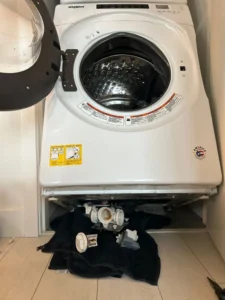
Water enters the washer through inlet hoses connected to your home’s water supply. If these hoses become bent, clogged, or partially blocked, the washer may receive less water than required.

Steps to check

  1. Turn off the washer and unplug it.
  2. Shut off the water supply valves.
  3. Inspect hoses for:
    • Kinks
    • Mineral buildup
    • Debris in mesh filters
  4. Clean the inlet screens with a small brush.

Sediment buildup is especially common in homes with hard water.

Discover Solutions for Other Common Washer Issues

3. Faulty Water Inlet Valve

The water inlet valve controls how much water enters the machine. When it begins to fail, it may only partially open, causing the washer to fill too slowly or stop filling early.

Signs of a failing valve

  • Washer fills extremely slowly
  • Only hot or cold water enters
  • Washer stops filling before reaching normal level

In most cases, a defective valve needs replacement rather than repair.

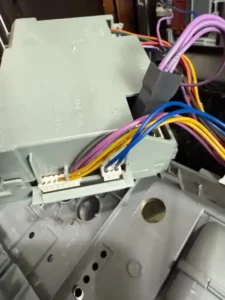
4. Malfunctioning Pressure Switch or Water Level Sensor

The pressure switch (or water level sensor) tells the washer when enough water has entered the drum. If this component fails, the machine may incorrectly assume the tub is already full.

Possible symptoms

  • Washer starts washing almost immediately after filling
  • Water level seems far too low
  • Cycle timing behaves strangely

This part typically connects to the tub via a small air tube. If the tube is blocked or leaking, the sensor may misread the pressure.

5. Low Household Water Pressure

Sometimes the issue isn’t inside the washer at all.

If your home’s water pressure is too low, the washer may take longer to fill or fail to reach the expected level.

How to check

  • Turn on a nearby faucet
  • Measure how strong the water flow is
  • Check if other appliances show similar issues

Most washing machines require at least 20–30 PSI of water pressure to function correctly.

6. Control Board or Electronic Errors

On modern smart washers, water levels are controlled electronically. A faulty control board may stop the fill cycle prematurely or misinterpret sensor readings.

Signs of a control board issue include:

  • Random cycle interruptions
  • Error codes on the display

  • Inconsistent water levels between cycles

This type of repair usually requires professional diagnosis.

When You Can Fix It Yourself

You can usually resolve the issue yourself if the problem involves:

  • Blocked inlet filters
  • Kinked hoses
  • Incorrect cycle settings
  • Minor airflow tube blockages

These checks require only basic tools and a few minutes of inspection.

When to Call a Professional Technician

If the washer continues to underfill after basic troubleshooting, professional service is recommended.

You should consider booking repair if:

  • The water inlet valve needs replacement
  • The pressure switch is defective
  • The control board shows errors
  • The washer stops mid-cycle

A technician can safely test electrical components and prevent further damage to the appliance.

Final Thoughts

A washer water level too low problem is more common than many homeowners realize. Fortunately, the cause is often something simple — such as a clogged filter or an incorrect wash setting.

Start with basic checks, clean the inlet screens, and try different cycles. If the washer still doesn’t fill properly, replacing components like the inlet valve or pressure switch may be necessary.

And when the diagnosis becomes unclear, professional repair can save time and prevent costly mistakes.